
The process would be simpler if water was flowing exactly at the same time.
It’s not.
The quantity of wastewater that flows into a household water system could fluctuate over the day. Industrial and commercial buildings may encounter operating peaks. Stormwater can change dramatically with weather conditions. The demand for clean water is also different in relation to its use.
So, designing a pump station isn’t simply the matter of identifying a flow amount and then selecting the equipment to meet it. Engineers must be aware of what kind of environment the system is likely to meet.
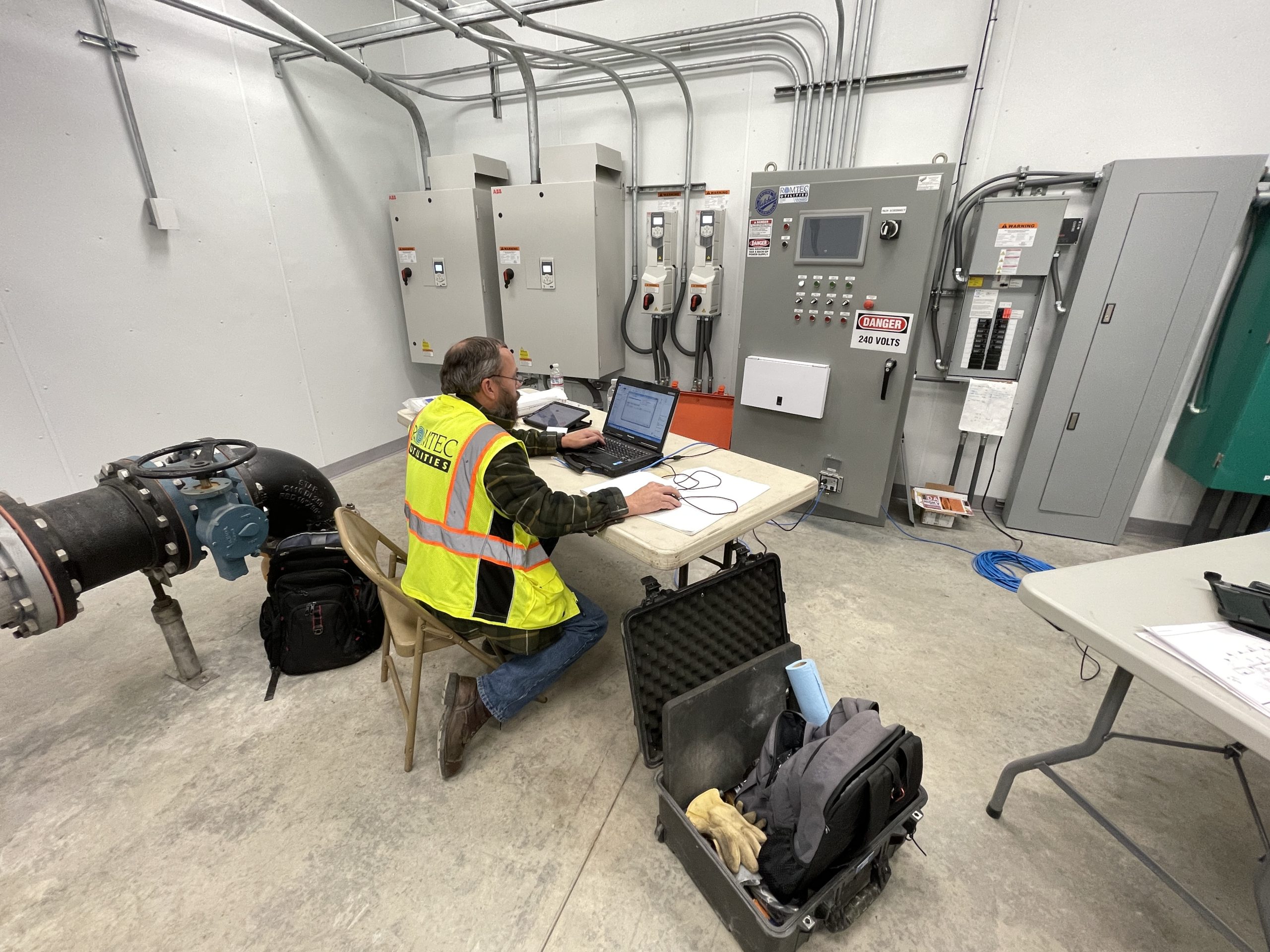
Image credit: romtecutilities.com
Don’t just think about capacity maxima, as well as operating conditions
It is obvious that maximum flow is an important factor however it is only one aspect of the operations of an infrastructure. Imagine a wastewater system has been designed to accommodate a high volume of flow. In most cases, incoming flow may be significantly less. The station still needs to perform as it should during normal timeframes.
This raises questions such as wet-well sizing and the size of the pump, control the head’s condition, how to adapt equipment when demand changes.
A well-designed package pumping system brings these elements to meet the needs of the facility instead of thinking of maximum pump capacity as the primary design goal.
Wastewater Has Its Own Daily Rhythm
A wastewater lift station serving homes, businesses, or municipal infrastructure may experience changing influent conditions throughout its operating cycle.
The station’s control strategy determines how the system manages the collection of wastewater and its pumps. Dimensions of the structure, pumps, valves electric components, and controls all have roles in this process.
Design may also take into account additional considerations specific to the site. Romtec Utilities can incorporate auxiliary systems such as grinder vaults, odor control equipment and so on when required by the application. It’s more economical to create an entire station around a particular project rather than using the same configuration for each wastewater treatment facility.
Stormwater changes much more quickly
Stormwater has a distinct set of operating conditions. During dry weather an apex stormwater lift station may not see much use. However, during extremely severe weather conditions, the station can witness a significant rise in the amount of activity. It could be part of a larger flood control, detention, treatment, or drainage plan, which makes the stormwater strategy surrounding it an essential element of the system design.
When developing these systems, Romtec Utilities considers a variety of factors, including the flow rate that is required and head condition, the dimension of the system, the needs of the site and environmental concerns.
The layout of a station designed for commercial purposes could differ from the design of a station built for stormwater management in municipal areas.
Head Conditions Are Important Alongside Flow
Moving 1,000 gallons of water is only part of the engineering task. Engineers must also know where the water is going to go and what kind of resistance they will have to overcome with the pumping system.
Variations in elevation, piping design the discharge conditions and other system parameters affect the head conditions under which pumps work.
This connection between head and flow is another reason why choosing a pump solely based on its rating is not enough. Technology and station layout must meet the hydraulic demands of the particular application.
Create a design for the conditions the Station will Experiece
Romtec Utilities creates customized pumping system for wastewater, stormwater and clean water applications. They also design and develop systems designed for industrial, booster and other applications. The process includes preliminary design and budgeting, as well as plan sets systems, supplies for the system, documentation, and startup and testing.
The principle behind engineering is that a real pumping system don’t operate under one set of conditions.
They should also take into consideration the specific hydraulic requirements of the project, along with the changing flow, demand, and requirements. This is a fact that must be taken into account when designing a productive station.