
It is rare that a successful yard is started with costly equipment or a gorgeously landscaped yard. It is usually one who plant some seeds and pay attention to the outcomes. This will help them make better choices next time around.
The Sproutstead’s online resource is based on a practical approach. It was developed to help people cultivate food, enhance soil, conserve harvests, and to learn self-sufficiency techniques without becoming lost in the technical language.
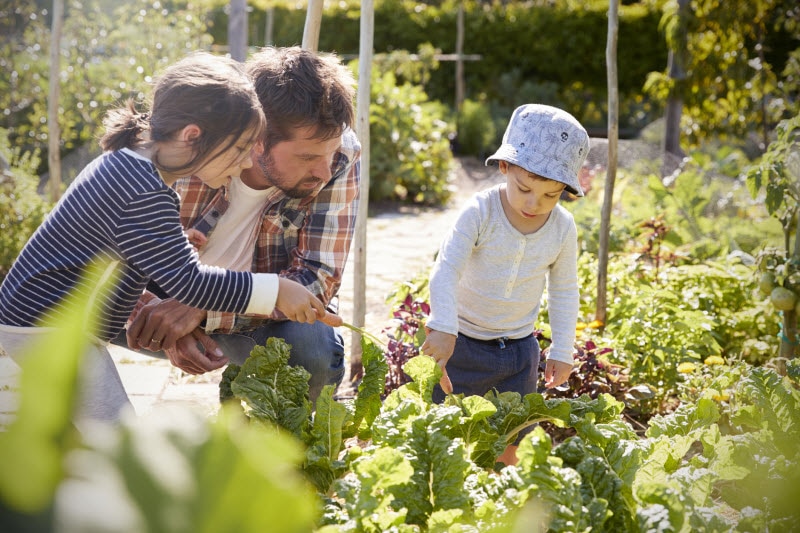
The garden conditions are distinctive
It can be confusing due to the fact that gardens can’t be interchangeable. A tomato planted in a sunny raised bed in one region may perform differently than the same variety planted in a heavy soil elsewhere with shorter seasons.
Successful gardening and homesteading therefore involves more than following instructions. Gardeners can benefit from knowing their own conditions: sun soil structure, soil structure temperatures, the growing season availability of space, the amount of time they’re able to dedicate to maintaining.
The Sproutstead discusses these aspects for readers to adapt gardening techniques to their personal house, and not try to duplicate someone else’s perfect set-up.
Under the surface, vegetable gardening starts
The plants which can be seen by the naked eye attract attention However, much of the gardening success is determined by what’s underground.
A healthy soil balance is crucial to ensure drainage, water retention, and the absorption of nutrients. Composting helps improve soil over time while mulching conserves moisture and helps to control weeds. Making sure to pay attention to these basics can ease vegetable gardening because healthier growing conditions give plants a strong foundation right starting from the beginning.
Planning is also important. The spacing of plants, the timing of crops as well as companion planting and the timing of the seasons can affect how well a gardener makes use of limited space.
Tomatoes Are a Lesson in paying attention
If you ask 10 gardeners about tomatoes, and you’ll probably hear ten different stories. One of the most sought-after vegetables grown in the backyard, tomatoes demonstrate the effects of different kinds of conditions.
Anyone interested in growing tomatoes must look beyond the fertiliser schedules and planting depths. To grow tomatoes, they require enough sunlight, consistent watering an appropriate soil, a proper spacing and support when they grow. The selection of varieties is crucial because conditions for growing, space available, and intended uses can determine which variety is the best.
If a plant produces a lot of foliage but little fruit, such as, for example, adding fertilizer will not solve the issue. The problem could be caused by excessive nitrogen, high temperatures, inadequate sunlight, or problems with pollination. It is best to monitor the entire plant instead of treating every symptom in a similar manner.
Harvesting is only part of the story
Producing 20 pounds of vegetables can be a bit less rewarding when half of them spoil before they’re consumed. When planning a home-growing system it is important to think about what happens after harvest.
Canning and freezing, drying sharing surplus produce, saving seeds that are suitable, and composting unwanted scraps can help households gain more value from what they plant. Backyard chickens can be combined with herbs, fruit trees and composting to create a household system.
Nobody has to be implementing all of the homesteading methods at once. Learning to cultivate lettuce, or improving a compost heap or even preserve the first tomato plant you made at home.
Practical experience helps to build better gardeners.
Even the best gardening instruction cannot guarantee perfect plants. Weather, pests and seed failures may vary from region region.
The Sproutstead sees these challenges as more of a part of learning, not an isolated event. Through connecting issues such as soil, plants, seed planting, pests and preservation backyard chickens and self-sufficiency, readers will gradually learn not just what to do with their garden, but why it works.
It is best to build a productive garden like the way plants develop: seasonally, gradually and from a firm foundation.