
Trailheads, parks, campgrounds scenic overlooks, recreation zones, and other remote public areas all have one common problem: visitors require access to clean, secure, and dependable toilet facilities, even if water lines and sewer connections aren’t available. Traditional toilets with a plumbed design aren’t feasible in these areas. Excavating may be too costly, utilities may be too far away or environmental conditions may render standard construction impossible.
Vault toilets can be an important choice. They’re a great way to allow public access to outdoor space without the need for plumbing infrastructure. However, not all vault bathrooms are made equal. Today, many park owners and organizations are seeking alternatives that are more than simply satisfy a need. They are looking for structures that are durable and easier to maintain. They want structures that are more appealing and pleasant for the public to enjoy.
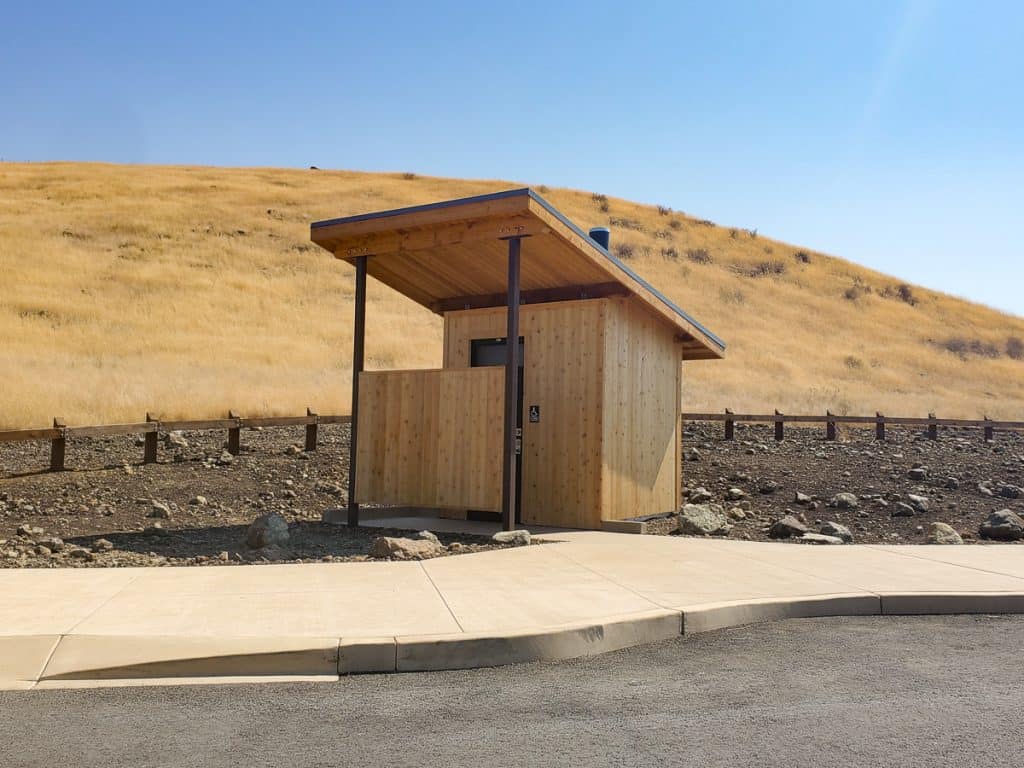
The style of outdoor bathrooms has changed.
For years, many people thought of vault toilets as dark, unpleasant, purely functional designs that did nothing more than serve as a last choice. This image is still prevalent in certain places, but it does not represent what modern bathroom design has to offer.
Romtec has taken a different approach to how waterless toilets are used in public spaces. Their vault toilets are created to solve the practical problem of sanitary facilities that are not requiring utilities while making the experience more pleasant for visitors. The improvement in airflow, the usage of stronger materials and the flexibility of building designs and odor-control technologies are all evident. Instead of appearing like an unintentional compromise the restrooms can feel like an intentional part of the recreation or park.
Modular vault toilets are flexible without sacrificing quality
One of the biggest advantages of modular vault toilets is that they can be adapted to different site needs while still delivering the efficiencies of a streamlined construction process. Some sites require a single occupancy toilet that has a smaller footprint. Other locations need three or more units to handle the traffic of regular hikers or campers in addition to sports spectators and other guests at events.
Romtec provides modular vault toilets as well as constructed alternatives on site, which allows owners greater flexibility in how they handle each project. A smaller space may require a straightforward, cost-effective structure that can be set up quickly and be ready to serve visitors immediately. If you have a larger recreational, camping or park zone, you may need the building to be more customized with an upgraded exterior finish, an expanded layout, or other architectural features which are better suited to the natural surroundings.
The flexibility of restrooms should be designed to match what is actually being used on the location, and not force it to follow a universal structure.
Remote site restrooms must endure a lot of pressure in harsh conditions
The installation of a restroom in an isolated location is different than adding one to a well-developed urban park. The structure may have to withstand harsh conditions in the weather, rough terrain, limited access for maintenance, as well as constant use by the public. There may not be any close to the utilities or personnel present. In other areas vulnerable systems and construction materials will need constant attention.
It is essential to design toilets for remote sites with these realities in mind. Durability becomes a major factor for the entire project. The materials have to be able to endure heavy use, temperature changes, and exposure outdoors over time. Layouts must be simple to clean and maintain. The ventilation and odor control should work effectively even in locations where service visits are less often.
Romtec’s vault toilet systems were specifically designed to provide long-term service. This can help government agencies, site managers as well as other facility owners build facilities that can continue to be used by visitors, without being an ongoing burden.
Improved odor management enhances the public experience
One of the biggest complaints about outdoor toilets is the smell. A building that has good construction can be ruined by a bad smell. This is the reason sanitation and ventilation are crucial in the vault toilet design.
Romtec’s SST Sweet Smelling Technology addresses this issue. It’s created to improve airflow and lessen the odor problems related to traditional toilets without water. The smallest of details may be unimportant however, it has huge impact on perception of the visitors. A restroom that feels clean, breathable, and cared for will more likely to be used with respect and awe as part of the overall park experience.
It is essential to have a bathroom structure that can support the surrounding area
Even in remote areas, public restroom buildings are not required to appear bland or unnatural. Certain parks require a structure that blends in with the natural materials. Others require structures that reflect the architectural style and design of nearby historical sites or facilities. In areas of high-traffic, larger restrooms might need to be perceived as an integral element of the visitor infrastructure plan.
The site-built vault toilets that can be customized can be a great alternative to prefabricated ones. Romtec’s design flexibility allows customers to create restroom buildings which are more than an ordinary drop-in unit. They are also able to provide the practical benefits of a waterless toilet system.
Good sanitation supports better outdoor recreation
People are more likely to appreciate parks or campgrounds as well as trail infrastructures when the basic facilities are clean, reliable, and thoughtfully designed. Toilets in vaults could be seen as a small piece of the overall user experience, but they play an essential role in sanitation, comfort access, and public satisfaction.
Romtec’s vault toilets that are modular are constructed to last and built for the real-world. They also provide durable remote site toilets that can stand up to the harshest conditions. Better design could make a big difference in parks and recreation zones that need waterless options.