
Cooking well at home doesn’t require complex techniques or the storage of obscure ingredients. Knowing how flavors interact is crucial. Knowing what herbs you can use in combination with meats like pork salmon, lamb and beef, as well as how they behave when cooking is among the most important things a chef at home can acquire.
According to the type of meat, herbs can serve different functions. They serve various purposes, based on the meat. Certain herbs help cut through fat while others provide warmth or freshness. Some require heat and time to let their flavor release. When the herbs are carefully selected dishes taste more balanced than chaotic, and cooking becomes far more sensible.
What kinds of herbs are used with pork and why they work
Pork naturally tastes sweet and contains lots of fat. This makes it an excellent meat that can be cooked with herbs. Understanding which herbs work with pork can prevent the dish from tasting bland and uninteresting.
Sage and rosemary are particularly effective because they balance richness with savoury depth. Thyme lends a delicate earthiness to all kinds of vegetable and meat dishes, such as braises, roasts and pan-fried cuts. Fennel seeds are especially effective when cooked slowly or sausages. Bay leaf is a great flavor addition to slow-cooked dishes parsley enhances the dish’s hue when it is added towards the final stage of cooking.
Since pork can easily absorb flavour and easily, herbs can be blended directly into marinades or ground meat, instead of being used as a surface seasoning.
What herbs go with beef without overpowering it
The herbs you choose should be chosen to compliment the boldness of beef, not overpower it. Understanding the right herbs to pair with beef is largely about matching the intensity.
Herbs with woody aromas like rosemary and thyme stand up well to high heat and lengthy cooking times, which makes them suitable for cooking steaks, roasts, and braises. Bay leaf adds a rich flavor to stews, and rosemary adds a depth to slow-cooked meats. Oregano works particularly well with minced beef and tomato-based sauces. They add a sharp, savoury edge.
Make use of stronger herbs for fatter cuts such as brisket and Ribeye, while using lighter herbs on lean cuts.
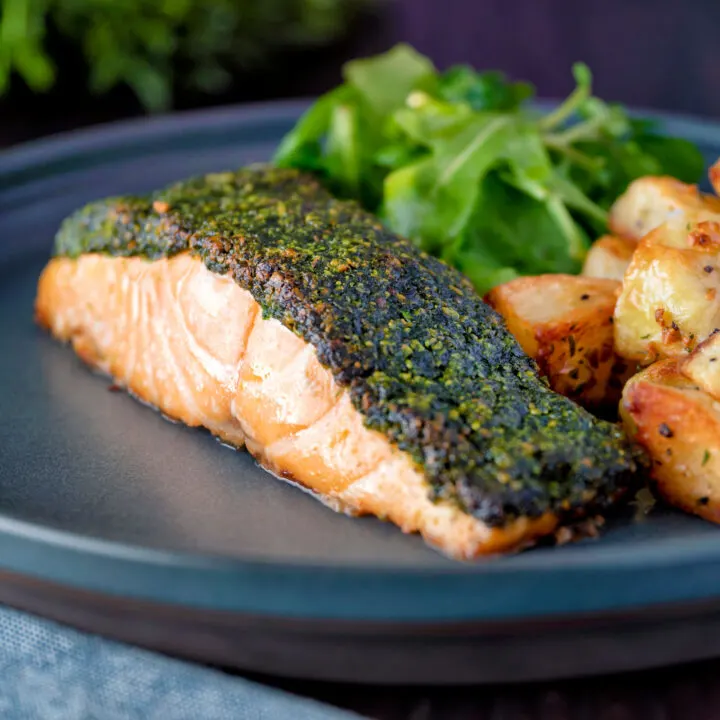
What are the best herbs to pair with salmon for balance, not weight?
Salmon’s oily and rich flesh is a great source of herbs that provide contrast and freshness. Understanding what herbs go with salmon helps prevent the dish from feeling overly heavy.
Dill remains a classic choice as it enhances salmon without masking its natural flavour. Chives, parsley and tarragon are great additions to dishes, while Tarragon offers a delicate and elegant taste that’s perfect for baked or poached dishes. Basil pairs beautifully with grilled salmon, and thyme gives warmth while roasting.
Incorporate delicate herbs later in the cooking process, as long-term heat will dull their flavor. Citrus is another important ingredient, as it assists herbs to feel vibrant and balanced.
Herbs that go with chicken cuts of different kinds
Its mild flavor makes chicken one of the most versatile protein sources. The herbs you use to cook chicken will depend on whether you’re cooking white or dark meat.
Roasting is an excellent way to use thyme and rosemary, especially with the skin still on. Tarragon is a fantastic condiment to sauces that contain wine or cream, while oregano works well with Mediterranean cuisine or barbecued meats. Sage brings warmth to butter sauces, and pairs well with dark meat. Use parsley as a finishing ingredient to add some freshness.
A smear of herb butter on the skin prior roasting allows flavor to be infused into the meat while it cooks.
Lamb and lamb-related herbs and how to utilize them safely
Lamb’s gamy, a bit strong taste can withstand strong herbs. Knowing what herbs are best for lamb will help enhance the flavor without overpowering the meat.
Rosemary and garlic make a traditional combination. They help cut into the richness of food, and can be used when grilling or roasting. Thyme, bay leaf and oregano are perfect for slow-cooked meals. When used in sauces and as a finishing ingredient mint and parsley give a freshness. Coriander adds a citrusy flavor to dishes that are spiced.
Seasoning lamb with confidence is crucial, particularly for slow-cooked cuts which retain flavor while cooking.
The intention of cooking is to cook – not Without a Doubt
Knowing what herbs work best with beef, pork and salmon, chicken and lamb eliminates the guesswork out of your cooking routine. This helps create menus and shop more efficiently and get regular outcomes.
If herbs are used in a deliberate manner, cooking feels less like trial and error, and more like a skill that you can rely on.